
Equipment Finance Australia
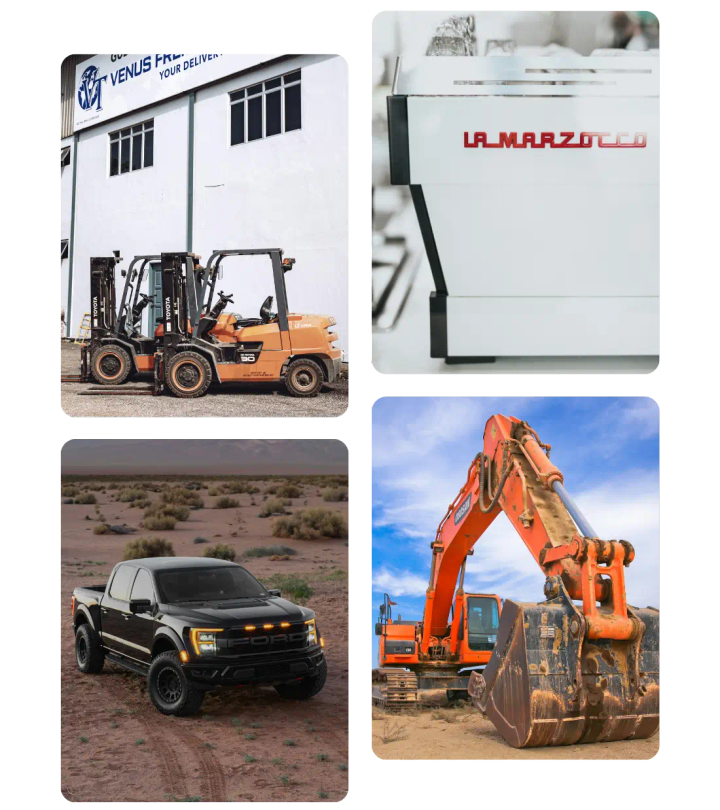
From laser cutters and CNC mills to commercial ovens, medical equipment and forklifts. Our team finance the equipment Australian businesses run on. One simple application, 63+ lenders, and funding same day.
- 63+ lenders
- 24 hour turnaround
- Servicing all of Australia
- Funding as fast as 8 hours
- No doc and low doc available
Excellent reviews from Aussie businesses
How equipment finance works
Equipment finance is a loan or lease secured against the equipment itself, so you can buy the machine your business needs without draining your cash. The structure you choose changes who owns the asset, how GST and depreciation are treated, and what happens at the end of the term. We walk you through the four common structures, then match you with a lender from our panel of 63+.
Typical Loan Details
- Borrow up to $500,000
- No deposit available up to $150,000, subject to your profile and the asset
- 3, 5 and 7 year terms, depending on the age of the asset
- Weekly, fortnightly or monthly repayments
- Generally up to 25 years at the end of the loan term
- 63+ lenders on panel
- One simple application
- New, used, imported and privately bought equipment
Calculate your equipment loan repayment estimate today
Feel free to estimate your rate, term, and deposit to get an idea of how much your repayments might be. Please keep in mind this is only to get a general idea and is not the calculator we will use to determine your actual loan repayments.
$
6.99%
5 years
$495
$29,695
Equipment finance for every Australian industry
Most businesses that talk about equipment finance think of trucks and earthmoving. But the businesses we help most are the ones that do not own a single vehicle: the roaster buying a new machine, the clinic replacing an imaging unit, the bakery fitting out a second site, the fabricator upgrading to a CNC mill.
For a manufacturer, equipment finance means a new line without draining the cash that pays wages. For a restaurant, it means a fit-out and a kitchen that opens on time. For a medical practice, it means the device that lets you take on more patients. For a tradie, it means a ute and a trailer bought the same week. For a farm, it means the harvester that has to be ordered months out.
The equipment is different in every case, but the problem is the same: the machine has to be there, working, before it pays for itself. Equipment finance is how you make that happen without putting the whole purchase price up front.
We finance new, used, imported and privately bought equipment across manufacturing, hospitality, medical, trades, logistics and agriculture. Whatever you are buying, we match you with a lender from our panel of 63+ who understands the asset. Book a free discovery call and we will walk you through your options.
Your options at a glance
Finance structures compared
| Structure | Ownership | Tax treatment | Balloon | Best for |
|---|---|---|---|---|
| Chattel mortgage | You own the asset from day one; the lender holds a mortgage over it as security. | GST, depreciation and interest are generally deductible. Speak to your accountant. | Available | Businesses that want to own the asset from the start. |
| Finance lease | The lender owns the asset during the term; you have full use of it. | Payments may be deductible depending on your circumstances and business use. Speak to your accountant. | Residual payment to take ownership | Businesses that want to use the asset now and buy it at the end. |
| Commercial hire purchase | The lender owns the asset during the term; ownership transfers to you at the end. | GST, interest and depreciation are generally deductible. Speak to your accountant. | Available (final instalment) | Businesses that want to own the asset later, paid off in instalments. |
| Operating / rental lease | You never own the asset. You use it and return it at the end. | Payments may be deductible as an operating expense. Speak to your accountant. | Not applicable (you return the asset) | Short-term needs, or businesses that upgrade equipment often. |
What we need from you
| Item | Why we need it |
|---|---|
| Your name and contact details | So we can reach you and talk through the right option for your business. |
| Your ABN | So we can confirm you're financing through the business and match you with commercial lenders. |
| The asset type and price range | So we know which lenders actually fund that asset, and whether it's a no doc, low doc, or full doc application. |
| Whether you have a deposit, and when you need the asset | So we can structure the repayments around your cash flow and the date you need it. |
Get in touch with our team of Asset Finance Brokers today.
You can book a free discovery call with our team to learn about your options or simply submit an enquiry and we’ll call you back as soon as possible.
What are the pros and cons of equipment finance?
Cons
- Obsolescence risk: a CNC mill or medical device can date faster than a truck
- Resale value is harder to predict for niche or custom equipment
- You carry the insurance, servicing and maintenance (outside an operating lease)
- A balloon lowers the repayments but leaves a lump sum at the end, and interest keeps running on it
- Deposits become common above the $150,000 no-deposit threshold
- The equipment secures the loan, so the lender can repossess it if you fall behind
- The harder the asset is to resell, the higher the rate tends to be
Pros
- Finance the equipment that actually earns your revenue, not just transport
- Own the asset from day one with a chattel mortgage
- No deposit available up to $150,000, subject to your profile and the asset
- GST, depreciation and interest may be claimable depending on the structure and your circumstances
- A balloon can lower the monthly repayment
- Preserve working capital instead of paying cash up front
- Access 63+ lenders through one application
- New, used, imported and privately bought equipment can all be funded
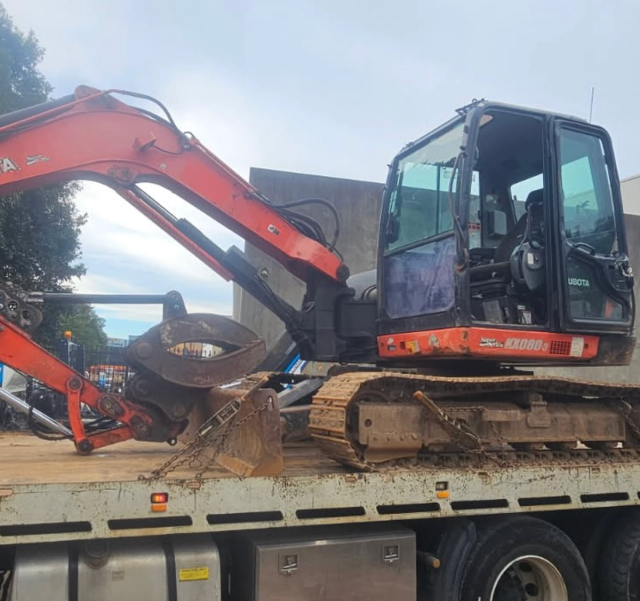
Earthmoving Business
- 2017 Kubota KX080 8T excavator, 3,800 hours, $57,000
- Private sale from a machine hire business that couldn’t produce proof of purchase
- Settled
A 2017 Kubota KX080 8T excavator with 3,800 hours, bought privately from a machine hire business. Lenders generally don't like assets purchased from machine businesses. The seller couldn’t produce proof of purchase, which makes proving ownership difficult and is usually where a deal like this stalls. We worked through it and got it settled.
A seller who can’t produce paperwork isn’t the end of a private sale. It’s a problem with a process.
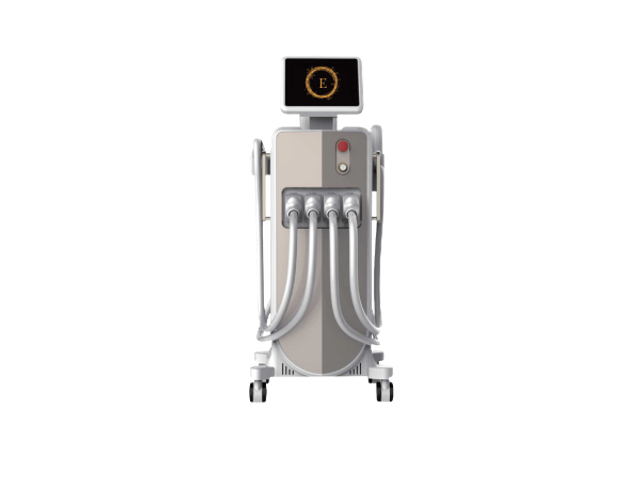
Laser Clinic
- New cosmetic laser treatment machine (Eluxx IPL/Laser)
- Ordered from overseas, not in the country when we funded it
- Financed before it landed, assessed off the supplier's invoice
When a beauty clinic orders a cosmetic laser treatment machine, it is often built to order and shipped from overseas, so there is no serial number to check and nothing to inspect until it lands. That rules out a lot of lenders. Stacked Finance assessed the deal off the supplier's invoice and the specification, structured the deposit, and placed it with a lender who understood the asset. The takeaway: equipment that is not yet in the country is financeable, just assessed differently.
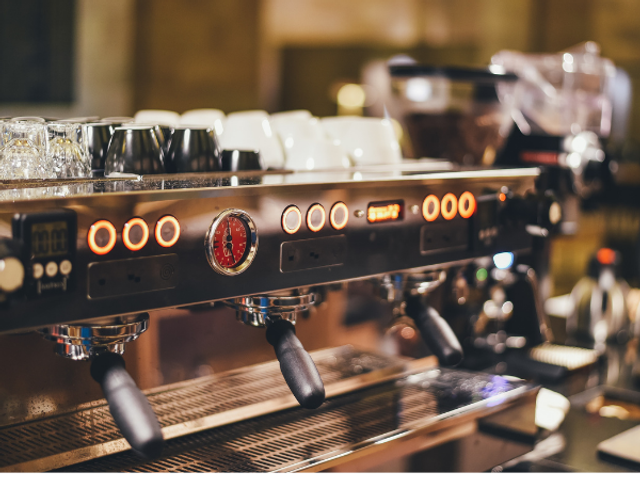
Perth Café
- 3 Group Commercial espresso machine, $24,000
- Hospitality equipment, a smaller lender pool than yellow goods
- Approved and settled with no deposit
A $24,000 commercial espresso machine for a café in Perth.
Hospitality equipment is a secondary asset. It holds value while it is serviced and there is a real second-hand market, but the pool of lenders writing it is smaller than the pool writing excavators and trucks. That is the whole difference, and it is the reason a café owner is often told a deposit is required when it is not.
This one settled with nothing down. No deposit is available up to $150,000, subject to your profile and the asset, and a $24,000 machine sits comfortably inside that. Especially given the client had been operating for over 3 years.
Our process
Learn about you
We offer discovery calls to learn about your business & equipment finance requirements.
Compare loans
We’ll shortlist the best options for your commercial equipment and explain them to you.
Get pre-approved
We’ll secure pre-approval based on steps 1 and 2 so you have peace of mind.
Secure your asset
Found the equipment you need? We’ll make sure you’re approved and the funds are available.
Why choose Stacked Finance?
Australia Wide
Our core team is based in Sydney. However, we support businesses all over Australia including Melbourne, Brisbane, Perth, Adelaide, Gold Coast, Canberra, and Newcastle.
Trustworthy
We believe integrity is the most important quality of a broker. Our team is honest and transparent about the options, fees, rates, timelines, and anything else you need to know.
24/7 Support
We’re committed to helping our clients. This means being available when they are. Most of our clients are busy running their companies – we ensure we’re available to support you when you need it most.
Let's talk loan details
- Up to $500,000
- Secured and unsecured
- 3, 5, and 7 years (depending on the age of the asset)
- Weekly, fortnightly, and monthly
- Fixed
- No deposit available up to $150,000, subject to your profile and the asset
- Generally up to 25 years at the end of the loan term
We have access to 63+ lenders and we're adding more





















Book a free 20-minute discovery call
Not sure where to start? Feel free to book a call with our team to chat through your objectives. On the call, we’ll talk you through your business goals, asset requirements, processes, expected timelines, and anything else to help you make an informed decision.
What you’ll need to apply
Have these to hand and the application takes a couple of minutes.
- Your name
- Phone number
- Email address
- Your ABN
- The type of asset you are financing
- The price range you are looking at
- Whether you have a deposit
- When you need the asset, and how soon
What happens next
We read your application
We look at the asset, the amount and your business details.
We compare lenders
We shortlist the options that fit and explain them to you.
We come back to you
We talk you through what you can do and what it would cost.
You decide
Nothing moves forward until you say so.
Frequently Asked Questions
What is equipment finance?
Equipment finance is a loan or lease used to buy business equipment without paying the full price up front. The equipment itself usually secures the finance, and you repay over a set term. It covers machinery, vehicles, medical equipment, commercial kitchen gear, IT hardware and more. Stacked Finance is a broker, not a lender: we compare 63+ lenders and only work with Australian businesses, not personal loans.
What equipment can be financed?
Most equipment that earns your business income and keeps a resale value. That includes machinery, trucks, utes, forklifts, medical and dental equipment, commercial ovens, coffee machines, POS systems, farm equipment and more. The easier the equipment is to resell, the easier it is to finance, and the sharper the rate tends to be. Very niche or custom-built equipment is still possible, just placed case by case.
What is the difference between equipment finance and a business loan?
Equipment finance is secured against the equipment you are buying, so the asset backs the loan. A business loan is usually unsecured or secured against other assets, and the money can be spent on anything. Because equipment finance is secured by the asset, it can be easier to get and priced differently. Read our guide to quick business loans for the fuller comparison.
Can I finance equipment that is being built or shipped from overseas?
Yes, but it is usually harder than a standard deal. With no machine in the country to inspect, imported or not-yet-built equipment usually means treading carefully, and you will likely need a deposit. The usual path is a conditional approval plus a deposit, working with the vendor who is selling the equipment. Settlement happens once the equipment lands and can be identified. We have financed a laser treatment machine for a clinic this way while it was still being shipped from overseas.
Can I finance used equipment, and how old can it be?
Yes, used equipment is common. The lender looks at the age of the equipment at the end of the loan term, not just today. Generally we can work with assets up to 25 years old at the end of the term, but the older the asset, the smaller the lender pool. A well-maintained machine with a strong resale value will always be easier to place.
Do I need a deposit?
Not always. No deposit is available up to $150,000, subject to your profile and the asset. Above $150,000, a deposit usually enters the conversation. Whether you pay a deposit also changes your repayments and the total interest you pay, so it is worth modelling both.
Can I get equipment finance with bad credit?
A bad credit history does not rule you out, but it does narrow your options and usually means a higher rate. Lenders will want to understand what happened, how the business is trading now, and proof you can make the repayments. Read our guide to asset finance with bad credit.
What is the difference between a chattel mortgage and a lease for equipment?
With a chattel mortgage you own the equipment from day one and the lender takes a mortgage over it. With a finance lease the lender owns the equipment and you use it, then buy it, return it or upgrade at the end. Ownership changes how GST and depreciation are treated, so the choice is as much a tax question as a finance one.
Is equipment finance tax deductible?
It can be, depending on the structure and your circumstances. With a chattel mortgage you may claim the GST upfront and depreciation and interest over the term. With a lease, the payments may be deductible as an expense. The ATO sets these rules, and tax treatment depends on your circumstances, so talk to your accountant before deciding.
Can I finance equipment from a private seller?
Yes. Private sales need a bit more paperwork than dealer sales because the lender wants proof of what the equipment is worth and that the seller owns it. A written agreement, a serial number and evidence of condition all help. We will tell you exactly what to gather before you pay.
What documents do I need?
It depends on the documentation type. Full doc needs tax returns, financials, BAS statements and bank statements. Low doc needs less, often BAS statements and bank statements. No doc can get away with your ABN, GST registration and a credit check. We will tell you upfront which documents your lender needs.
How long does approval take?
Funding can be as fast as 8 hours in the right circumstances, and our standard turnaround is 24 hours. Those are best-case numbers, not a promise. Every application is different, and the more complex the asset or your financials, the longer it can take. We come back to you with an answer inside 24 hours.
What equipment do lenders find hardest to finance?
Custom-built and one-off machinery, because there is no second-hand market to value it against. Fast-depreciating fitout gear is also harder. The surprise is specialised medical and lab equipment: it is usually easier than people expect, because it holds its value well. None of these are impossible, they just take more work to place.
Do I own the equipment at the end of the loan?
With a chattel mortgage, you own it from day one. With a commercial hire purchase, ownership passes to you after the final payment. With a finance lease, you choose whether to buy it, return it or upgrade. With an operating lease, you return it. The structure you pick decides ownership.
Can sole traders get equipment finance?
Yes. Sole traders and partnerships can get equipment finance as long as they can show the business can make the repayments. A registered ABN and clean records help. The same structures and rates apply as for companies, though your personal credit history usually matters more.
How much can I borrow for equipment?
Up to $500,000. The exact amount depends on the equipment, its age and resale value, your financials and your credit profile. No deposit is available up to $150,000, subject to your profile and the asset. Above that, a deposit usually enters the conversation.

Need help with finance?
Send Emmanuel a message and he’ll get back to you shortly.
Or call Emmanuel directly on 0417 209 702